Behind the Build
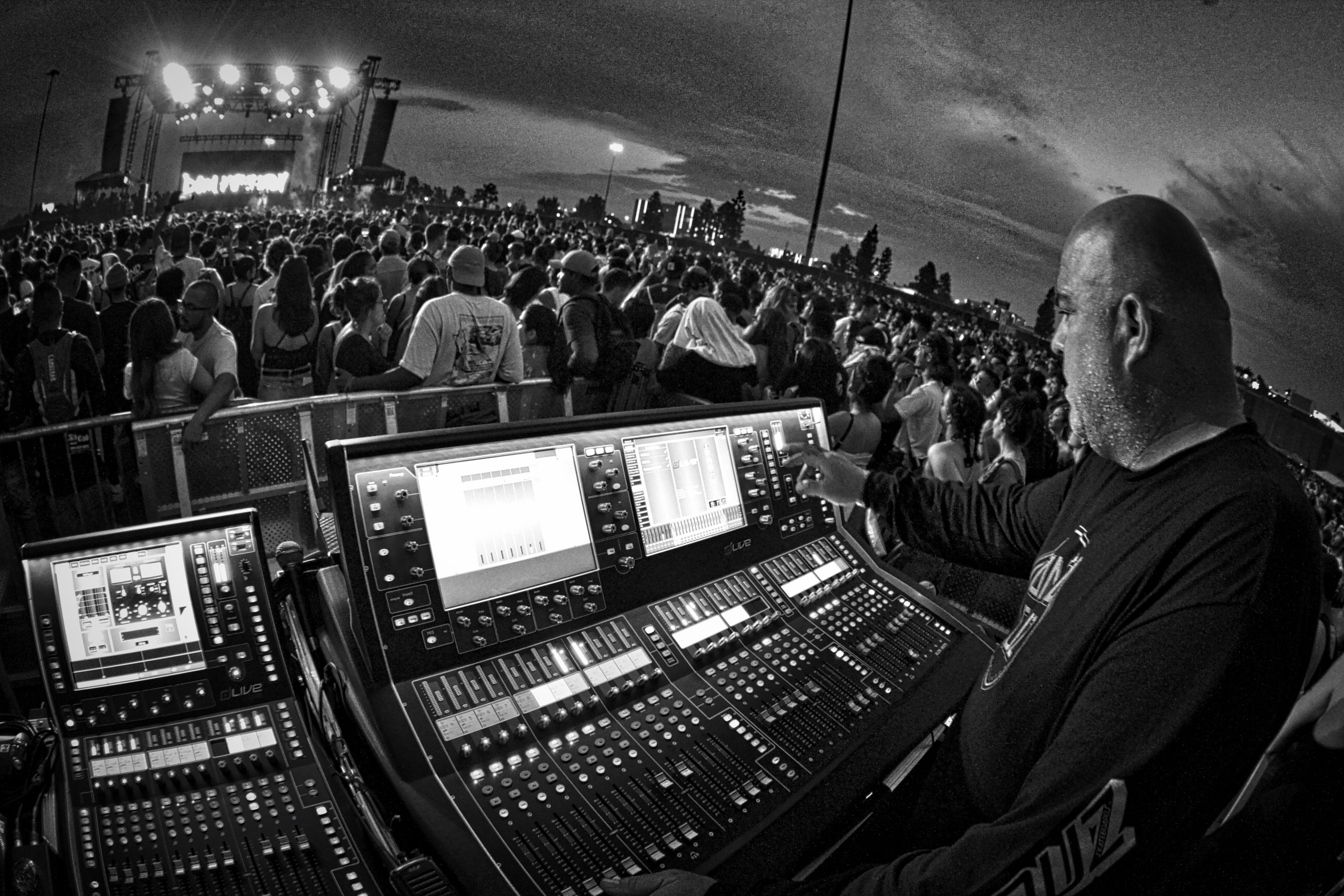
How We Run 5 Stages at Once: Inside Next Fest at the LA County Fair
Five stages, one fairgrounds, zero dead air. Here's how the largest indie music festival in the country actually gets built.
July 14, 2026 · 6 min read
The honest answer to the first question every organizer asks — and the line items that actually move the number.
Harmony Production Team
Audio, lighting, video and staging crews building Southern California's largest public events.
Quick summary
The honest answer to the first question every organizer asks — and the line items that actually move the number.
Every organizer opens with the same question, and they deserve a straight answer: what does this cost? The reason nobody publishes a price list isn't evasion. It's that event production is a spec, not a product. Two events with identical attendance can differ by a factor of five depending on whether they're indoors, how many stages run, and whether power exists on site.
What we can do is show you exactly where the money goes, so you can read any quote — ours or anyone else's — and understand what you're buying.
Attendance matters less than organizers assume, and these factors matter more:
We won't put fake dollar figures on the internet, but relative scale is useful. A community event — one modest stage, speech and light music, a few hundred guests — is the baseline unit. A mid-size public event with a proper stage, real lighting, a screen, and generator power is commonly several times that baseline. A large festival or fair-scale production with multiple stages, LED walls, structure, and a multi-day crew commitment lands an order of magnitude above the baseline. The jumps aren't linear because each tier adds categories, not just quantities.
The cleanest way to hold a production budget together is to sort it into three buckets. Fixed costs are the system you've specced: gear, structure, base crew. Variable costs move with the show — overtime, added acts, extended hours, last-minute additions. Contingency is the line most first-time organizers skip and every experienced one keeps, typically a meaningful percentage of the total, reserved for weather, schedule slip, and the thing nobody predicted.
A budget without contingency isn't a budget. It's a hope with line items.
The fastest quotes come from the most complete requests. Tell us the date, the venue or site, expected attendance, indoor or outdoor, how many stages or activation areas, a rough run-of-show, whether power exists on site, and your load-in window. With that, we can return a real number instead of a range — usually within a couple of business days.
If you have half of that, send it anyway. We'd rather ask the other half than have you wait.
Why trust us
Harmony Event Productions builds audio, lighting, video, staging and power for fairs, festivals, fan zones and municipal events across Southern California. Everything in the Log comes from productions we crewed ourselves.
Five stages, one fairgrounds, zero dead air. Here's how the largest indie music festival in the country actually gets built.
July 14, 2026 · 6 min read
Stage size isn't about the performers — it's about the last row. A practical sizing guide.
April 21, 2026 · 6 min read
We've spent four seasons producing at Fairplex in Pomona. Here's what organizers should know before load-in day one.
March 5, 2026 · 5 min read